


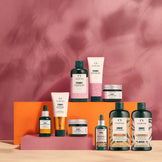





Oily skin skincare guide
Many people face the tricky challenges of oily skin. As one of the more common skin types, oily skin happens when the skin produces excess sebum. While it may feel frustrating and tough to manage, having the right skincare routine can help support oily skin, making shine and blemishes appear reduced.
In this guide, we’ll cover what causes oily skin, its unexpected benefits, and the best ingredients and skincare products for oily skin. We’ll also share a quick, simple (yet effective) skincare routine to help leave your skin feeling fresh and purified.

What is oily skin?
Oily skin is one of the main skin types, defined by the overproduction of the natural oil, sebum, by the sebaceous glands. Sebum is vital for your skin as it helps to moisturise and hydrate while protecting against environmental toxins. However, too much can result in the skin looking shiny, particularly in the T-zone area, and being more prone to enlarged pores and breakouts.
Oily skin is completely natural and normal, and, like all skin types, can change as you age and go through different life stages. With the right skincare products, oily skin can be easily managed, with the appearance of shine, blemishes and pores minimised.
Oily skin vs. combination skin: How to tell the difference
Oily skin can often get confused with combination skin, as both skin types can produce excess oil. The difference is that oily skin produces more oil across the entire face, while combination skin only produces oil within the T-zone, leaving the cheeks either normal or dry.
To test whether you have oily or combination skin, simply wash your face, wait 30 minutes, then check where oil has appeared. If your entire face appears shiny, you have oily skin. If only your nose, forehead and chin appear shiny, you have combination skin.
It’s important to test your skin type as this will help determine the type of skincare products you need to care for your skin and target any concerns.
What causes oily skin?
There are many causes of oily skin, with some people experiencing a combination of multiple factors. The biggest cause of oily skin is simply genetics. If one or both of your parents had oily skin, chances are you will, too. Hormones can also play a big part in excess oil production, with significant life stages like puberty, periods, pregnancy and menopause all triggering changes.
You may notice your skin becomes more oily because of external factors, too. The climate can change the way our skin looks and feels, with humidity and heat increasing oil production. Using the wrong skincare products or over-washing your face, a super common mistake made by people with oily skin, can lead to skin overproducing oil as it overcompensates.
The benefits of oily skin
Let’s face it – oily skin gets a bit of a bad rep. While it’s a challenging skin type to manage, it also has plenty of benefits like:
-
Slower ageing: According to the American Academy of Dermatology (AAD), the natural moisture means fewer fine lines and wrinkles as you age.
-
Thicker skin: More collagen and elastin produced by natural oils often results in more resilient skin.
-
Built-in protection: Sebum helps defend against environmental aggressors and pollutants, acting like a shield.
-
Natural glow: Oily skin provides natural radiance and a healthy-looking sheen that other skin types.

How to build a skincare routine for oily skin
When it comes to building an oily skincare routine, the key is to keep it simple. Most don’t need a 20-step routine with multiple products. Instead, focus on simplicity, consistency and the right products for the most effective daily skincare routine for oily skin.
Step 1: Cleanse
Cleanse morning and evening with a gentle foaming or gel cleanser like our Tea Tree Skin Clearing Facial Wash. If you’ve been to the gym and worked up a sweat, or if it’s an unseasonably warm day, it may be worth cleansing again, if you feel like you need to. However, it’s important not to over-wash as your skin may end up producing more oil to compensate. For oily skin, look for cleansers and toners with ingredients like salicylic acid and tea tree, and non-comedogenic formulas.
Step 2: Tone
A gentle, purifying toner like our Tea Tree Skin Clearing Toner helps remove the last traces of excess residue and impurities and restores your skin’s PH levels. Whatever you choose, look for alcohol-free formulas with ingredients like niacinamide or witch hazel.
Step 3: Treat
Serums are designed to penetrate the skin deeper than moisturisers for a more targeted approach. For oily skin, we recommend a lightweight serum with niacinamide, salicylic acid or retinol like our Tea Tree Oil Daily Solution.
Step 4: Moisturise
Moisturiser is an essential part of every skincare routine, even with oily skin, to help keep skin soft and hydrated. When it comes to choosing the best moisturiser for your skin type, for oily skin go for a gel-based or water-based moisturiser that’s oil-free and non-comedogenic, like our light and non-greasy Tea Tree Skin Clearing Hydrator.
Step 5: Protect (SPF)
Lastly, don’t forget to protect your skin with SPF, even on a cloudy day or when you’re spending most of your time indoors. Not only can UV rays cause damage, but the sun can also dry skin, causing rebound oil production. Applying an SPF can help maintain skin health. For oily skin, choose a non-comedogenic, matte-finish, lightweight SPF like our Skin Defence Multi-Protection SPF50.
Evening routine adjustments
For the evenings, some little tweaks can make a big difference. For example, swap your SPF for a night treatment or a heavier serum with retinol, to help support your skin while you sleep. If you wear makeup, you may also want to double-cleanse with an oil-based cleanser first to remove makeup products, followed by a gel cleanser to remove any excess dirt and impurities.
Once or twice a week, you should also exfoliate your skin with one of our face scrubs, exfoliators or peels to help remove the daily build-up of dead skin cells and leave your skin looking and feeling smoother.
Best ingredients for oily skin
When choosing products for oily skin, there are some key ingredients to look out for. Tea tree oil is a classic go-to, especially if your skin is also prone to blemishes. There are so many benefits of tea tree for skin, including helping it feel cleansed, purified and mattified. If that sounds like exactly what you and your skin needs, check out our bestselling Tea Tree range.
There are other great ingredients, too. Salicylic acid helps dissolve excess oils, dirt and dead skin cells. Niacinamide helps protect the skin’s moisture barrier. Hyaluronic acid provides lightweight, oil-free hydration. Glycolic acid can help exfoliate the skin to improve texture. And retinol is known for minimising the appearance of pores and balancing oils, along with zinc. Products that feature clay, often found in face masks, can also help absorb excess oil.
What to avoid with oily skin
With oily skin, alongside over-washing and skipping moisturiser, there are some things to avoid to ensure you don’t produce even more oils or trigger other skin concerns. Alcohol-based products or harsh physical scrubs should be avoided as they can strip your skin, damage your barrier and trigger rebound oiliness. Heavy, oil-based creams and makeup can also clog pores, along with sleeping in your makeup, which can lead to blemishes and blackheads.
You should also avoid touching your face frequently to avoid transferring any dirt or oils from your fingertips.

Oily skin product guide: What to look for
Now you have your skincare routine in place, here’s a recap of what to look out for in each product:
-
Cleansers: Gel or foam, non-comedogenic, with salicylic acid or tea tree.
-
Toners: Alcohol-free with niacinamide or gentle glycolic acid.
-
Serums: Lightweight, oil-free, with niacinamide, salicylic acid or retinol depending on what you want to target.
-
Exfoliators: Chemical over physical with salicylic or glycolic acid,, once or twice a week.
-
Moisturisers: Gel-cream or water-based, and oil-free with hyaluronic acid.
-
Sunscreens: Matte finish, lightweight, SPF 30+.
-
Foundation/Primers: Oil-free, mattifying and non-comedogenic.
Explore our full range of oily skin products.
Makeup tips for oily skin
When applying makeup to oily skin, make sure you use an oil-free, mattifying primer as a base to keep oils at bay during the day. For a fully matte finish, choose a non-comedogenic, water-based foundation that’s also labelled as ‘matte’ and set with a lightweight powder. You can always add a controlled shine by using liquid blush and highlighter for a radiant glow.
Pro tip: It may also be handy to keep blotting paper with you to reduce the appearance of any unwanted shine throughout the day.
Oily skin: Skincare for men
For men, their skin tends to be oilier and thicker due to higher androgen levels. However, apply the same daily skincare routine above (cleansing, toning, moisturising and SPF) to help balance oil levels and maintain skin health. Post-shave, avoid alcohol-based aftershaves as they can trigger excess oils by drying out delicate skin. To give oily, thicker skin some TLC, take a look at our men’s skincare range.
Frequently asked questions about oily skin
Is oily skin good or bad?
Neither! Oily skin is a totally natural and normal skin type, not a condition. While it does come with challenges like a shiny complexion, enlarged pores and being more prone to breakouts, it’s completely manageable with the right products. It has plenty of benefits, too, like slower ageing and built-in moisture.
Why is my skin so oily all of a sudden?
If you’ve noticed your skin is oilier than usual, it could be down to several factors, including hormone changes, diet changes, new medications, the changing seasons, stress or a change in skincare products. If, after reviewing any changes and making tweaks, your skin is still oilier than normal, it may be worth consulting a dermatologist for more advice.
Can you get rid of oily skin permanently?
While your skin type can change as you get older and experience different hormonal life stages, you can’t get rid of oily skin permanently, especially if it’s genetic. But you can manage oily skin with the right skincare routine and products. Rather than elimination, focus on balance by cleansing, toning, using a serum, moisturising and applying daily SPF.
Is tea tree good for oily skin?
Yes! Tea tree has many benefits and is an oily skin staple with its natural antibacterial and purifying properties. Our bestselling Tea Tree range gently manages oils without stripping your skin, leaving it feeling purified, fresh and clean, with shine looking reduced.